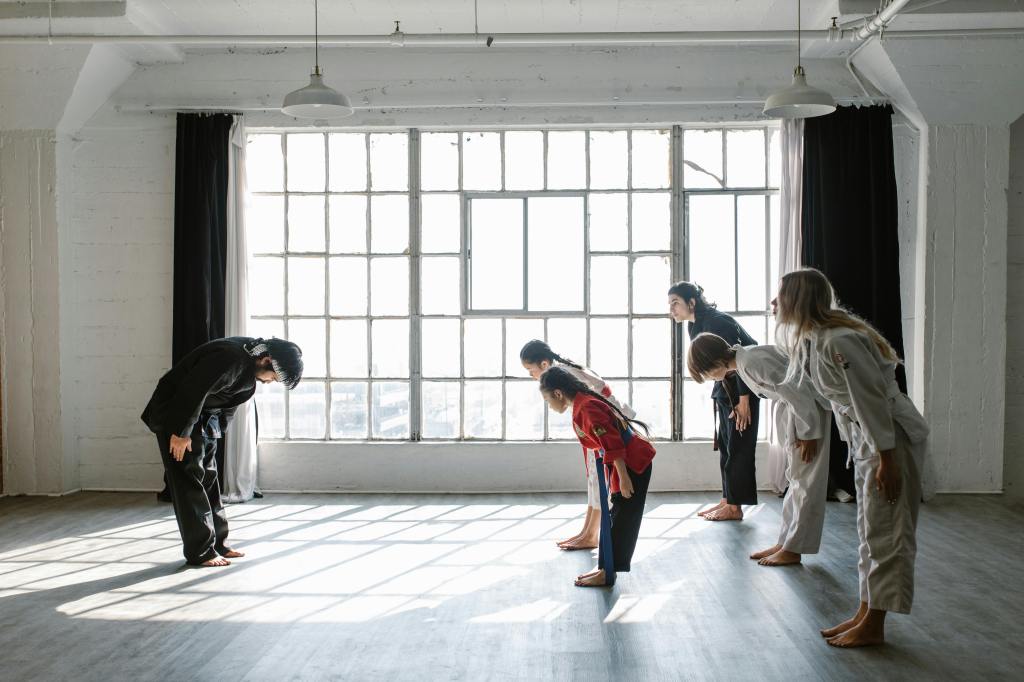
I recently experienced a violation of my physical boundaries in a martial arts training space. The incident was gross and humiliating, and the resolution process has been challenging. But the event has shined a light on how important it is to actively create safe and respectful training spaces. This is especially true for women, gender minorities, and others who may experience discrimination in a martial arts setting.
I’m part of a group of martial arts teachers in Portland who are working to create safer spaces for marginalized groups in the martial arts. I believe that we can create more respectful spaces by setting clear expectations and communication protocols for students and teachers. I’m working on creating these protocols for my own teaching practice. Since martial arts often involves a lot of physical contact, I think it’s a good idea for all martial arts schools to have practices and protocols in place so that all students can train safely and respectfully.
Below are some questions I’m asking as I create my own class protocols. I welcome you to consider these questions for your own organization, and if you’re interested, I invite further conversation on these issues going forward.
Healthy Boundaries Practices:
- What kind of contact can students expect in the school? (Full-body Jiu Jitsu contact, punches to the face, no contact, etc.)
- What kind of contact is not OK? (Sexual contact, excessively forceful contact, contact made in anger or retaliation, unsafe contact, etc.)
- What kind of speech can students expect in the school?
- What kind of speech is not OK? (i.e. discriminatory speech, sexual comments, etc.)
- Are students expected to do exactly what the teacher says, or are they encouraged to speak up for themselves when a particular exercise makes them uncomfortable?
- What is the process for handling boundary violations? When a student or teacher’s boundaries are violated, who do they tell? Who will help them resolve the situation? How is the situation documented? What is the process for resolving the issue? How do we know when the issue is resolved?
- Where are the Healthy Boundaries Practices posted? Are they made available to all students?
- Even if contact is an accident, a report should be filed to look for patterns of unhealthy behavior
How do you create safe training spaces? Is there anything else we should consider in creating these spaces? I invite conversation, so feel free to email me if you have any thoughts or ideas. Thank you for reading!
 Michelle Folk Johnson